Exploring Boswellia Serrata and Curcuma Longa

Traditional herbal approaches to joint comfort and daily mobility

Educational content only. No promises of outcomes.

Introduction to Boswellia Serrata

Boswellia serrata, commonly known as frankincense or shallaki in Sanskrit, is a tree native to India, the Middle East, and East Africa. This ancient plant has been central to traditional Ayurvedic medicine for thousands of years. The tree produces a fragrant resin that has been valued across cultures for its complex chemistry and traditional significance.

In Indonesia and throughout Southeast Asia, the plant is traditionally recognized as part of regional herbal heritage. The resin, harvested through careful tapping of the tree bark, contains numerous bioactive compounds that have made it a subject of both historical use and contemporary study.

Historical names include shallaki (Sanskrit), boswellia (scientific), and frankincense (common trade name). Traditional practitioners have incorporated this resin into regional wellness routines for centuries.

Boswellia serrata plant and resin

Introduction to Curcuma Longa

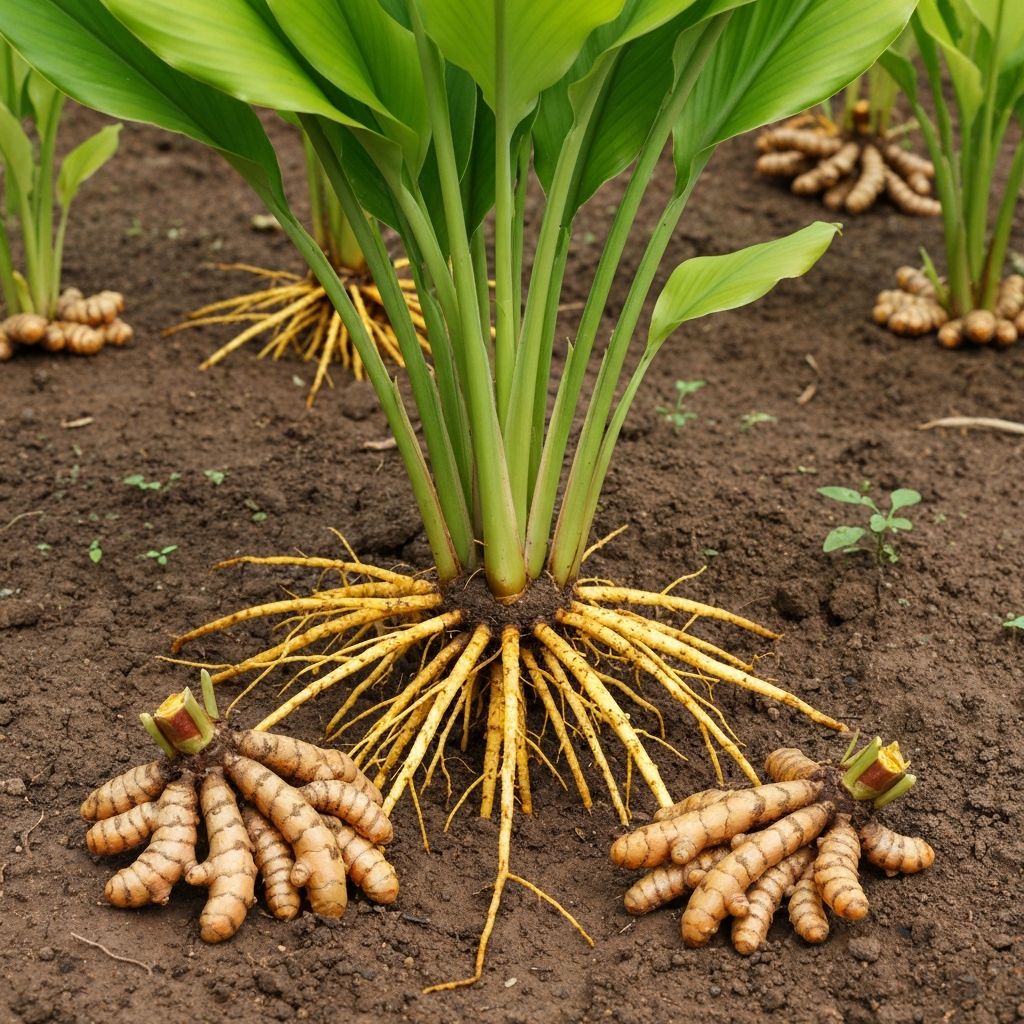
Curcuma longa, widely known as turmeric or kunyit in Indonesian, is a rhizomatous plant belonging to the ginger family. Native to South and Southeast Asia, particularly Indonesia, turmeric has been a cornerstone of traditional medicine systems for over 4,000 years. The plant's golden-colored rhizomes contain powerful phytochemicals that have made it indispensable in culinary and wellness traditions.

In Indonesia, turmeric thrives in tropical and subtropical climates, particularly in Java, Sumatra, and Sulawesi. The plant's cultural significance extends beyond its practical applications—it plays a central role in traditional ceremonies, daily cooking practices, and regional health approaches.

The plant produces distinctive yellow rhizomes that are dried and ground into powder, or used fresh in traditional preparations. Turmeric's warm color and distinctive flavor have made it a recognizable element of Southeast Asian culinary heritage.

Curcuma longa turmeric plant and roots

Traditional Preparation Methods

In regional practices across Indonesia and Southeast Asia, both Boswellia serrata and Curcuma longa are prepared using time-honored methods that have remained relatively consistent for centuries.

Common Preparation Forms:

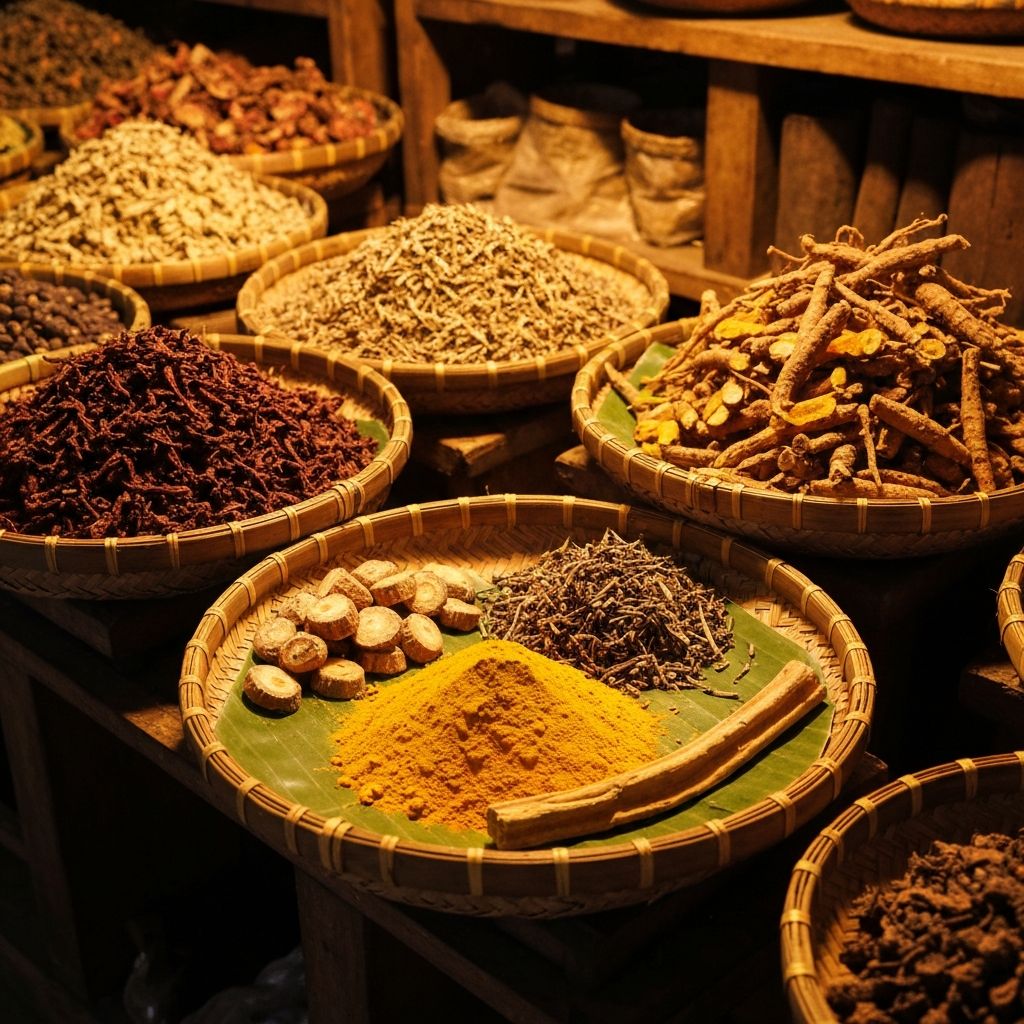
Powders: The dried rhizomes of turmeric and resin of frankincense are traditionally ground into fine powders using stone mortars or wooden grinders. These powders are incorporated into daily routines and combined with other ingredients.

Pastes: Fresh roots and resins are ground with water and other plant materials to create therapeutic pastes, often known as "jamu" in Indonesian tradition. These mixtures combine multiple plant components for broader wellness applications.

Infusions: Dried pieces of both plants are steeped in hot water to create herbal beverages. This gentle preparation method preserves the aromatic and phytochemical properties of the plants.

Combinations: Traditional practices often blend both Boswellia and Turmeric with complementary herbs like ginger, galangal, and other local plants to create comprehensive wellness preparations.

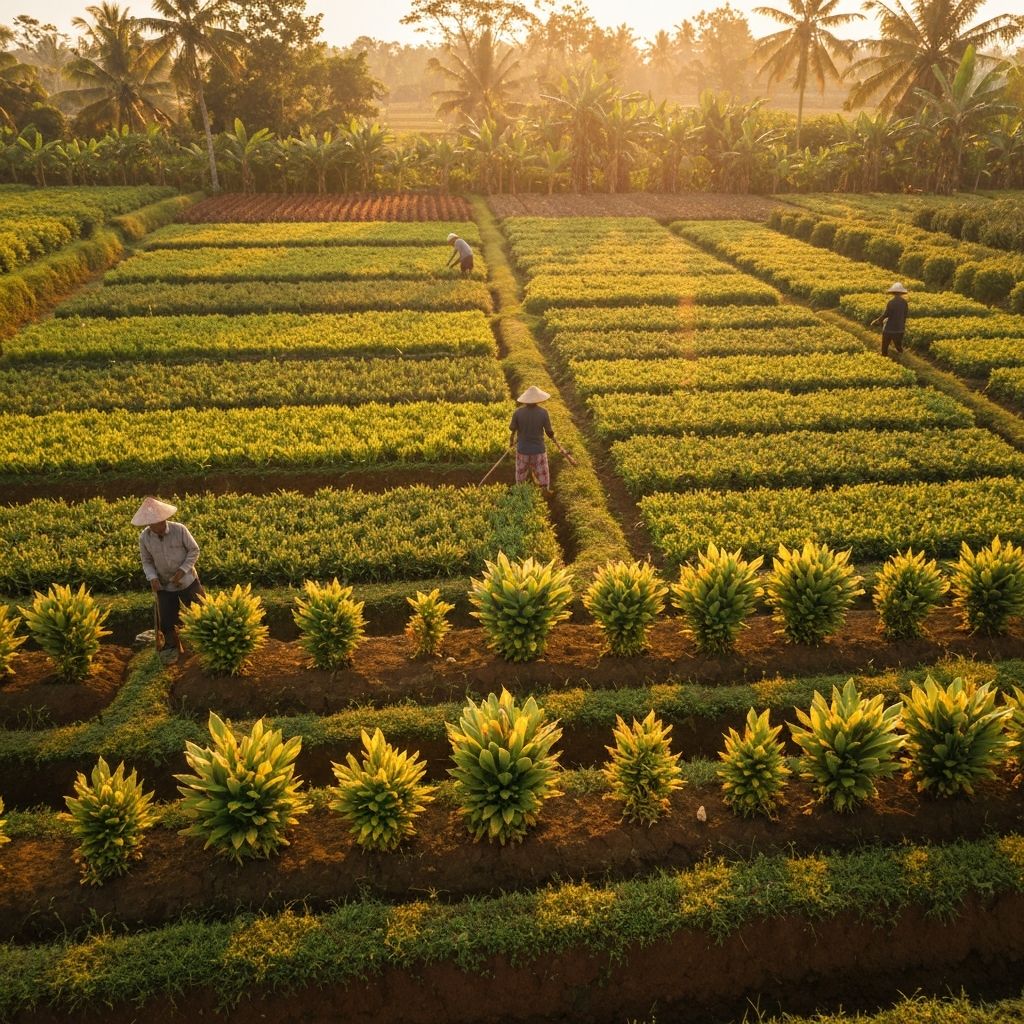
Herb cultivation in Indonesia

Cultivation in Indonesia

Indonesia's tropical climate provides ideal conditions for growing both turmeric and cultivating relationships with frankincense through trade. Turmeric thrives particularly well in the archipelago's warm, humid environment.

Growing Regions: Major turmeric cultivation occurs in Java (especially Central Java around Semarang and Yogyakarta), Sumatra, and Sulawesi. These regions benefit from consistent rainfall, rich volcanic soils, and warm temperatures year-round.

Climate Conditions: Tropical humidity, rainfall between 150-250 cm annually, and temperatures of 20-30°C create optimal growing conditions. The regions' volcanic geology provides mineral-rich soil essential for healthy plant development.

Harvest Practices: Traditional harvesting occurs 8-10 months after planting, when rhizomes have fully matured. Farmers employ sustainable methods that have been refined over generations, carefully extracting rhizomes while preserving plant genetics for future cultivation.

Herbal Combinations in Tradition

Traditional Southeast Asian wellness practices rarely use single herbs in isolation. Instead, regional herbalists have developed sophisticated blending methods that combine multiple plants to create comprehensive preparations.

Classic Combinations: Boswellia and Turmeric are frequently paired with ginger (Zingiber officinale), galangal (Alpinia galanga), and black pepper (Piper nigrum). These combinations create synergistic blends that reflect the complexity of traditional wisdom.

Regional Jamu Traditions: In Indonesia, traditional "jamu" preparations represent centuries of herbal knowledge. These combinations might include turmeric, frankincense, ginger, and other regional plants, creating layered preparations suited to different wellness contexts.

Seasonal Adjustments: Traditional practitioners adjust herbal combinations based on seasonal availability and individual wellness needs. This adaptive approach reflects deep understanding of both plant properties and regional ecology.

Traditional herbal combinations and preparation
Peaceful natural environment for relaxation

Breathing Exercises for Daily Calm

Southeast Asian wellness traditions recognize the profound connection between breath and overall well-being. Simple breathing techniques form a cornerstone of daily practice across the region.

Basic Techniques:

Deep Belly Breathing: Sit comfortably and breathe slowly through your nose, allowing your belly to expand fully. Exhale slowly through your mouth. This technique promotes relaxation and mental clarity.

Four-Count Breathing: Inhale for four counts, hold for four counts, exhale for four counts. This rhythmic pattern helps establish mental calm and supports body awareness.

Extended Exhale Breathing: Inhale for four counts, exhale for six counts. Longer exhalations activate the parasympathetic nervous system, supporting the body's natural relaxation response.

These simple practices can be incorporated throughout the day, supporting overall wellness and mental clarity as part of daily routine.

Quick Relaxation Methods

Traditional wellness practices emphasize simple, accessible techniques that can be incorporated into daily life without special equipment or extensive training.

Gentle Practices:

Body Awareness Pauses: Throughout the day, pause for 1-2 minutes to notice your body. Observe any areas of tension without judgment. This simple awareness naturally promotes relaxation.

Gentle Stretching: Slow, mindful stretches that honor your body's current state. Hold each stretch for 20-30 seconds without forcing. Traditional yoga practices provide excellent guidance for gentle movement.

Mindful Walking: Walking slowly while focusing on each footstep, breath, and sensation creates a meditative practice accessible anywhere. This simple approach grounds attention in the present moment.

Environmental Connection: Spending time in natural settings—gardens, parks, or outdoor spaces—supports mental clarity and emotional balance through natural exposure.

Relaxation and wellness environment

Key Plant Compounds

Modern phytochemical analysis has identified numerous bioactive compounds within both Boswellia serrata and Curcuma longa, explaining why these plants hold such important roles in traditional systems.

Boswellia Serrata:

Boswellic Acids: The primary active constituents include KBA (11-keto-β-boswellic acid), β-boswellic acid, and AKBA (acetyl-11-keto-β-boswellic acid). These compounds have been the subject of numerous scientific investigations examining their properties.

Additional Components: The resin also contains incensole, polysaccharides, and numerous other compounds contributing to the plant's complex profile.

Curcuma Longa:

Curcuminoids: The primary active compounds are curcumin, demethoxycurcumin, and bisdemethoxycurcumin. Curcumin comprises approximately 2-5% of turmeric's dry weight.

Additional Components: Turmeric contains volatile oils including turmerone, essential fatty acids, and protein, contributing to its recognized role in traditional systems.

General Nutrition Insights for Balance

Traditional wisdom across Southeast Asia emphasizes the role of diverse plant foods in maintaining everyday wellness and supporting balanced lifestyles. Both turmeric and frankincense exist within this broader context of nutritional and botanical diversity.

Plant Diversity: A fundamental principle of traditional health approaches emphasizes consuming a wide variety of plant-based foods. This diversity ensures exposure to numerous phytochemicals and nutrients supporting overall function.

Whole Plant Philosophy: Rather than isolating single compounds, traditional approaches value whole plants and their complex interactions. This perspective recognizes that plants contain numerous constituents working together.

Lifestyle Integration: Nutrition represents just one element of comprehensive wellness approaches. Sleep, movement, stress management, and environmental connection equally support sustained well-being.

Individual Variation: Traditional practitioners recognize that optimal approaches vary between individuals based on personal constitution, lifestyle, and preferences. No single approach suits everyone equally.

Essential Context & Disclaimers

Educational Purpose: All content on this site is provided for educational and informational purposes only. This is not medical advice, professional healthcare guidance, or a substitute for consultation with qualified healthcare providers.

No Personal Recommendations: This site does not provide personalized health recommendations or medical advice for individual conditions. The information presented reflects historical and traditional knowledge, not clinical treatment protocols.

Individual Variation: Responses to any herbal preparation vary significantly between individuals based on personal health status, medications, allergies, and numerous other factors. What suits one person may not suit another.

Always Consult Healthcare Professionals: Before incorporating any new herbal preparations into your routine, especially if you have existing health conditions, take medications, or are pregnant or nursing, consult with your healthcare provider.

No Guarantees: This site makes no claims of guaranteed outcomes, health benefits, or therapeutic effects from the plants or preparations discussed. Traditional use does not guarantee individual results.